
Protecting Your Home: What Every Homeowner Should Know About Insurance

By Launey Jason, Vice President Agency – Sales
Buying a home is one of life’s most exciting milestones – a fresh start where dreams take shape and memories are made. Whether it’s your first home or a retirement retreat, protecting this investment is essential. Understanding your insurance options will help you decide what coverage best matches your needs and fits your budget.
Homeowners insurance can feel complex, but together, we’ll simplify it. Insurance helps protect your home’s structure and the belongings inside – from furniture to clothing to family heirlooms. It can’t stop the unexpected, but it can help you get back on your feet when it happens.
One thing I always remind new homeowners: As your home changes, your coverage should keep up. If you put on a new roof, update a bathroom, finish a basement or add a deck, those improvements can change your coverage needs. That’s why regular check-ins with your agent are one of the best ways to make sure your protection keeps pace.
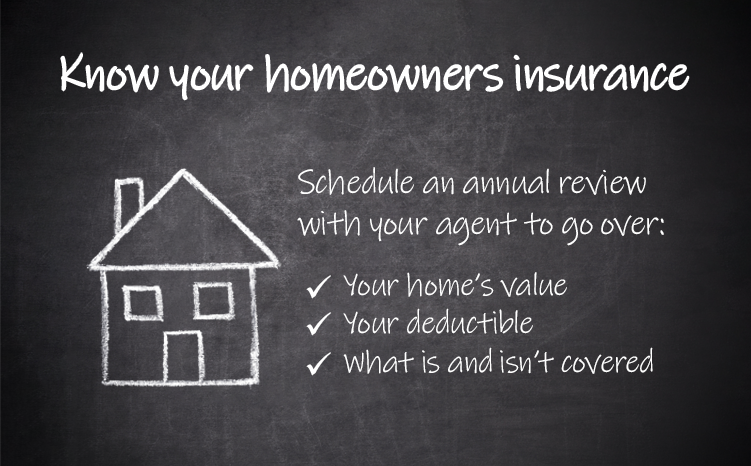
Your homeowners insurance policy typically runs for one year. A simple habit that goes a long way is to schedule a quick annual review with your agent around renewal time. Don’t wait for a disaster to strike to discover your insurance does not match your home’s current value.
What does a basic homeowner's insurance policy cover?
Knowing what your basic policy covers and what extra coverage you might need helps keep you protected. Your agent can help you understand and find coverage that fits both your needs and budget, too.
- Dwelling coverage: Helps pay to repair or rebuild your home after a covered loss.
- Personal property coverage: Helps replace belongings like furniture, appliances, clothing and valuables if they’re stolen or damaged. Creating a home inventory can help you choose the right amount of coverage to meet your needs. This can be as simple as taking photos or quick videos of your belongings. Don’t forget: If you have a college student living on campus, your homeowners policy covers their personal property, too.
- Liability coverage: Helps protect you if someone is injured on your property. Injuries resulting from intentional harm or certain high-risk activities typically aren’t covered, so it’s important to understand any exceptions and limits.
- Endorsements: Optional add-ons that cover things like earthquake damage or valuable collections such as jewelry, art or sports memorabilia. Work with your agent to tailor your policy to your unique needs.
- Deductibles: The dollar amount or percentage you pay out-of-pocket before insurance kicks in to pay its portion of a covered loss. Choosing a higher deductible can lower your premium but means more cost upfront if you file a claim. Your agent can help you compare options and help you choose a deductible you feel good about.
- Additional living expenses: Pays for temporary housing and some other needs if your home becomes uninhabitable after a covered loss.
Clearing Up Common Homeowners Insurance Misconceptions
I know insurance can be overwhelming. Here are some of the questions I heard during my years as an agent and how I helped make sure my customers – and now you – were not surprised.
Homeowners insurance does not cover all types of damage.
Insurance is designed for sudden, unexpected events like fire, wind or theft – not problems that build up over time from wear and tear or lack of maintenance. Issues like long-term leaks that lead to mold, corrosion, settling and age-related cracks, untreated pest damage, or appliance breakdowns may not be covered by homeowners insurance. What I tell homeowners is this: keeping up with home repairs protects your investment and coverage. If you aren’t sure whether something would be covered, ask your agent – and for items like appliances and heating/cooling, you may also want to look into a home warranty.
Homeowners insurance does not automatically cover all water damage, including flooding.
This one comes up a lot, and the details matter. Many policies cover sudden events like burst pipes, but flood damage is not covered under most homeowners policies. Sewer backups can be covered if you choose to add a backup and sewer endorsement. Flood insurance is available through the National Flood Insurance Program (NFIP). Check with your local State Farm® agent, many can help you get this coverage with NFIP.
Insurance won’t always rebuild my home or replace my roof after damage.
I hear more questions about this than any other topic when it comes to homeowners insurance. The reality is every loss and every claim is unique, and what the policy pays will depend on the type of damage to the property, the age and condition of what was damaged, and the coverage options you chose for replacement costs. Our Claims team will assess the damage and confirm the coverage the customer purchased, then handle the claim accordingly. The best way to feel prepared is to review your policy regularly and keep up with home maintenance, so you’re in a strong spot if something unexpected happens.
Insurance won’t always pay to replace my belongings with brand-new items.
I can’t stress enough the importance of understanding replacement cost options because your payments will depend on the option you chose. With replacement cost value, you get enough to buy a new item of similar value. With actual cash value, you get the item’s value minus depreciation for wear and tear. For example, if your 5-year-old laptop is damaged, replacement cost value would cover a new laptop of the same value, while actual cash value would pay less because the laptop is older. Replacement cost value usually means higher coverage but has also has higher premiums. Your agent can help you decide what’s best for you.
Homeowners insurance doesn’t typically apply if you rent your home.
If you rent out a room or your whole house, a rental policy may be necessary since standard homeowners policies usually do not cover rental-related risks. Before you rent – even short-term – check in with your agent to be sure you have the right coverage.
Talking With Your Agent: A Key to Protection
Your home is an investment, so let’s do everything we can to protect it. I always encourage homeowners to understand your coverage options and make informed choices – when you need it most, that knowledge can save you from costly surprises.
Choosing the right homeowners policy to fit your unique needs and budget doesn’t have to feel overwhelming. That’s where your local State Farm agent comes in. They’re here to help you manage life’s risks, recover from the unexpected, and realize your dreams.
About State Farm:
For over 100 years, the mission of State Farm has been to help people manage the risks of everyday life, recover from the unexpected and realize their dreams. State Farm Mutual Automobile Insurance Company and its affiliates are the largest providers of auto and home insurance combined in the United States. Its more than 19,200 agent offices and over 62,000 employees serve over 96 million policies and accounts – including auto, fire, life, health, commercial policies and financial services accounts. Commercial auto insurance, along with coverage for renters, business owners, boats and motorcycles, is also available. State Farm Mutual Automobile Insurance Company is the parent of the State Farm family of companies. State Farm is ranked No. 32 on the 2025 Fortune 500 list of largest companies. For more information, please visit http://www.statefarm.com.