
A Century of Showing Up: State Farm and the American Story

By Buck Farley, Archivist/Historian
As the nation celebrates 250 years of history, resilience and progress, State Farm marks 104 years of serving communities across America. Our stories are intertwined—built on a shared belief that strong neighborhoods, people helping people and showing up when it matters most are what move America forward.
Our commitment to helping people is rooted in our founding, when George Jacob (G.J.) Mecherle recognized the risks facing rural drivers were different than city drivers.
State Farm Mutual Automobile Insurance Company began from this idea: that insurance should be tailored to individual needs, at fair prices. G.J.’s vision has never wavered. As a mutual company, State Farm is accountable to our customers, not Wall Street shareholders.
Our model and mission have been carried into neighborhoods across the country, intersecting with key moments in American history repeatedly over the past century.
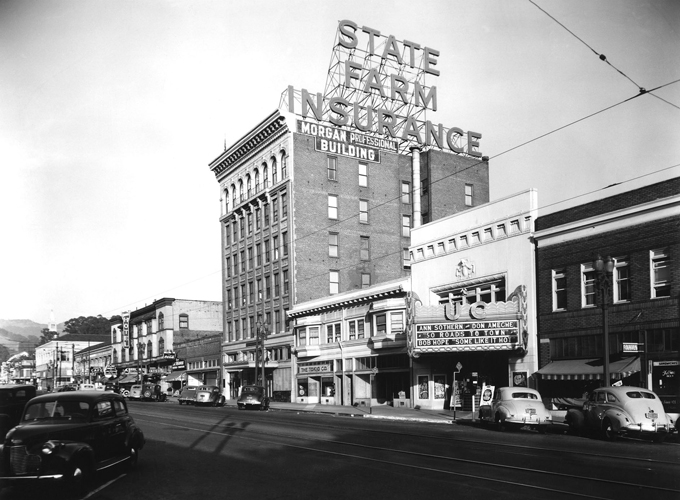
1922: Built for the rural American who’d been overlooked
In 1922, while Henry Ford was making cars more accessible, auto insurance companies continued to offer policies tailored to wealthy city customers. Auto insurance didn’t fit the needs of rural drivers and risked leaving these Americans behind.
To help bring life to his vision of insurance tailored to the individual, G.J. turned to Minnie Jones, a successful businesswoman with insurance experience. Minnie invested in G.J.’s idea and joined the first Board of Directors in 1922, an early example of women in entrepreneurial leadership.
G.J. reimagined how insurance could work. With its rural roots, the Company ensured premiums matched risk and payment structures aligned with farmers’ needs.
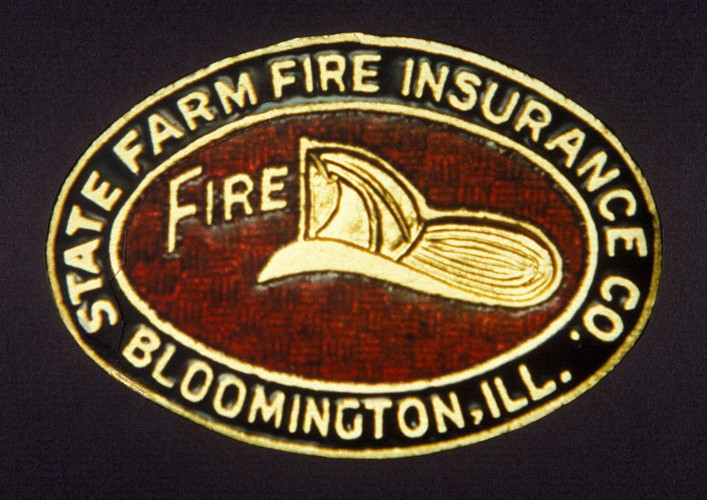
1933: The Great Depression: Stayed open when others closed
The Great Depression tested more than balance sheets. It tested whether companies would put customers ahead of shareholders.
By 1933, banks were failing rapidly and nearly half of U.S. industries had collapsed over the past four years. In March, President Roosevelt declared a bank holiday to prevent further collapse. Insurers faced major strain as people fell behind on premiums and claims increased.
But State Farm kept issuing policies and paying claim, even operating at a loss to keep customers first.
During the Depression, State Farm launched the Fire Insurance Company in 1935. Protecting homes and property was about more than adding a new product. It signaled confidence communities would rebuild, even when rebuilding felt uncertain.
As a mutual, State Farm can take a longer view in a way publicly held insurers under shareholder pressure often can’t.
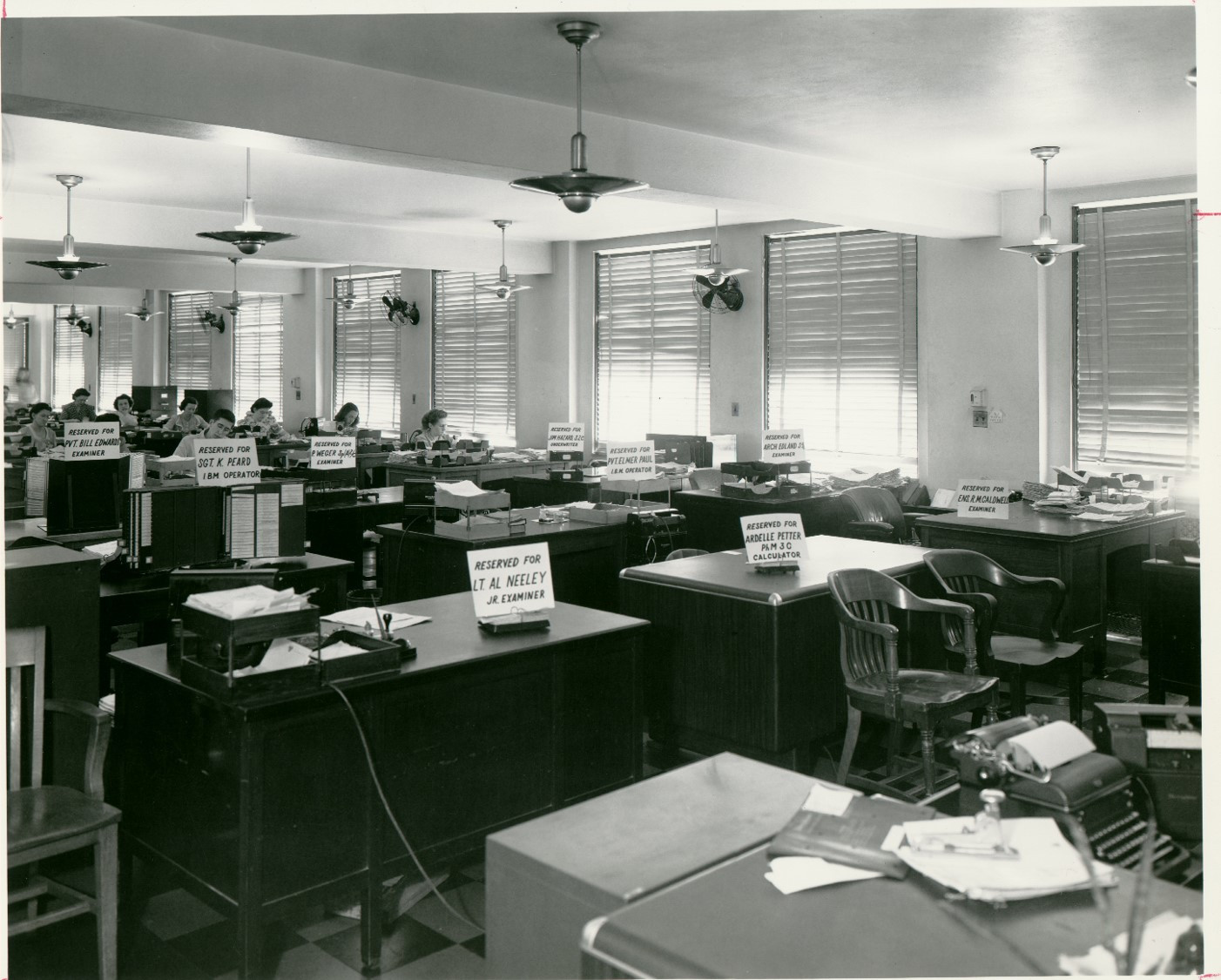
1942: World War II era: Largest auto insurer in the country
By 1942, in the midst of World War II, resources were redirected and auto manufacturing largely stopped. Yet people still needed cars and, therefore, insurance. While the Company used the strength of its mutual structure to keep serving customers during another challenging time, employees serving in the military were supported with desks left empty and marked with “reserved” signs.
The “Million or More by ‘44” campaign helped auto policies rise from 350,000 in 1939 to 1.3 million by 1946, making State Farm the number one auto insurance company in the United States.
To support that growth and to be ready for the postwar return to life, the Company reinvented its operating model and introduced regional offices. Decision-making was shifted to local leaders, positioning State Farm to be there to help customers as housing expanded and families became more mobile as auto manufacturing resumed.
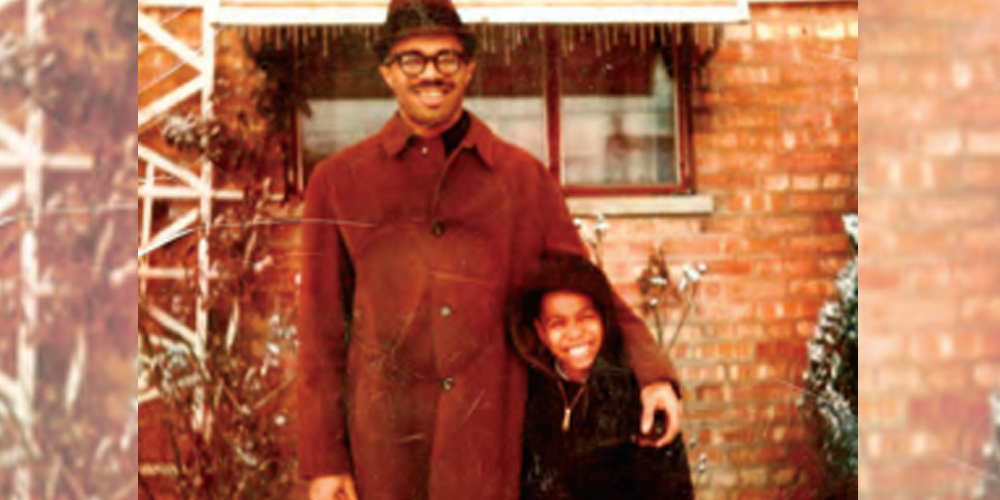
1966: The first African American State Farm agent
The civil rights era reshaped America. In 1966, three years after the March on Washington, Ray Adkins Jr. became the first African American State Farm agent, marking an important milestone in our Company’s history. His appointment reflected a period of significant change in our nation and serves as a reminder of the progress that has been made, and the responsibility we all share to make the world around us better and to foster a culture of respect and inclusion within the workplace and our communities.
1972 onward: Catastrophe response as a national capability
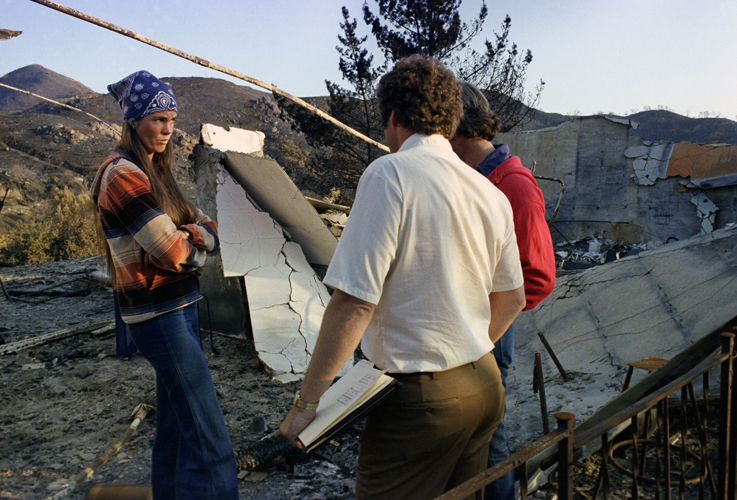
America’s history shows harrowing moments of weather events and disasters that can overwhelm communities. When catastrophes strike, being a good neighbor isn’t just about empathy. It requires action that can scale to meet an ever-increasing need.
In 1972, only a few years after Hurricane Camille devastated parts of the Gulf Coast, State Farm built Special Disaster Services. Teams were created who were ready to step out of their daily roles to quickly deploy to major events, putting people from State Farm onsite to assist customers and communities.
In 1992, Hurricane Andrew impacted the lives of people in states from Florida to Texas. The response capability within State Farm needed to evolve and expand along with level of catastrophes. In 1997, the Company formed a larger, dedicated national catastrophe response team.
Today, with new technology and partnerships in use, we have Weather and Catastrophe Services, a team that tracks weather events and can anticipate when to begin organizing deployments, set up on-site claims and assistance centers, and is supported with in-office claims handling.
We’ve come a long way since first developing this response capability. Whether coincidental or fate, as State Farm built the first catastrophe services team, Barry Manilow, then a jingle writer, had just written the tune for “Like a Good Neighbor, State Farm is There.” A message that continues to guide our mission to help people recover from the unexpected and realize their dreams.
Today: A mutual that answers to Main Street
Today, State Farm insures more homes and autos in the United States than anyone else. More than 19,000 agents and tens of thousands of employees help customers each day. Being a mutual remains central to how State Farm thinks about responsibility. CEO Jon Farney echoed the vision of G.J. saying, “We answer to Main Street, not Wall Street.”
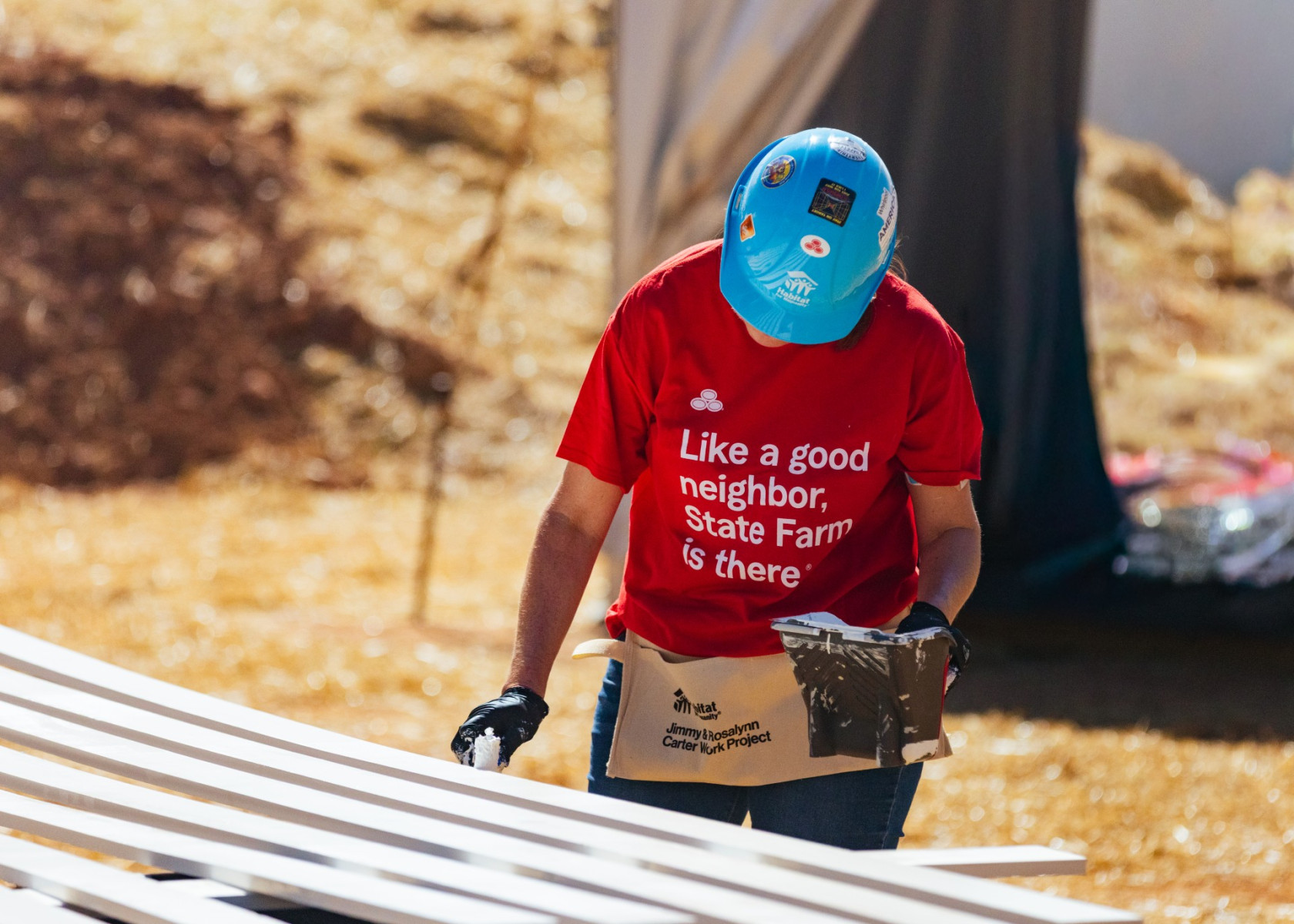
As a mutual company, there are several ways State Farm returns value to customers. Just this year, in February 2026, the company announced a $5 billion mutual auto policyholder dividend – the largest in company history. Also this year, the American Red Cross recognized State Farm as a 2026 Mission Leader for extending our customer-first commitment to the communities in which we all live and enabling improved disaster preparedness, response and recovery. Finally, as Habitat for Humanity celebrates their 50-year anniversary, State Farm proudly continues our 30-year partnership. Beyond the financial support that has helped more than 450 Habitat affiliates build or repair homes for families, State Farm agents and employees show up each year to build homes in their communities.
Becoming a Next Gen Good Neighbor
State Farm was founded on the simple premise of putting customers first. Over the past 104 years, we’ve been proud to stand by Americans through some of the nation’s hardest chapters. Backed by the commitment to our Company mission, the agents and employees of State Farm have always shown fortitude and given hope at times when both are needed.
As America marks 250 years throughout 2026, we reflect on our shared heritage and look ahead, rising to serve customers and communities at a time of rapid change. Through economic challenges, growing weather-driven risks, and what can feel like mounting uncertainty, history shows State Farm is there.
For over 100 years, the mission of State Farm has been to help people manage the risks of everyday life, recover from the unexpected and realize their dreams. State Farm Mutual Automobile Insurance Company and its affiliates are the largest providers of auto and home insurance combined in the United States. Its more than 19,200 agent offices and over 62,000 employees serve over 96 million policies and accounts – including auto, fire, life, health, commercial policies and financial services accounts. Commercial auto insurance, along with coverage for renters, business owners, boats and motorcycles, is also available. State Farm Mutual Automobile Insurance Company is the parent of the State Farm family of companies. State Farm is ranked No. 32 on the 2025 Fortune 500 list of largest companies. For more information, please visit http://www.statefarm.com.