
Rebuilding Stronger Means Preparing for the Next Wildfire
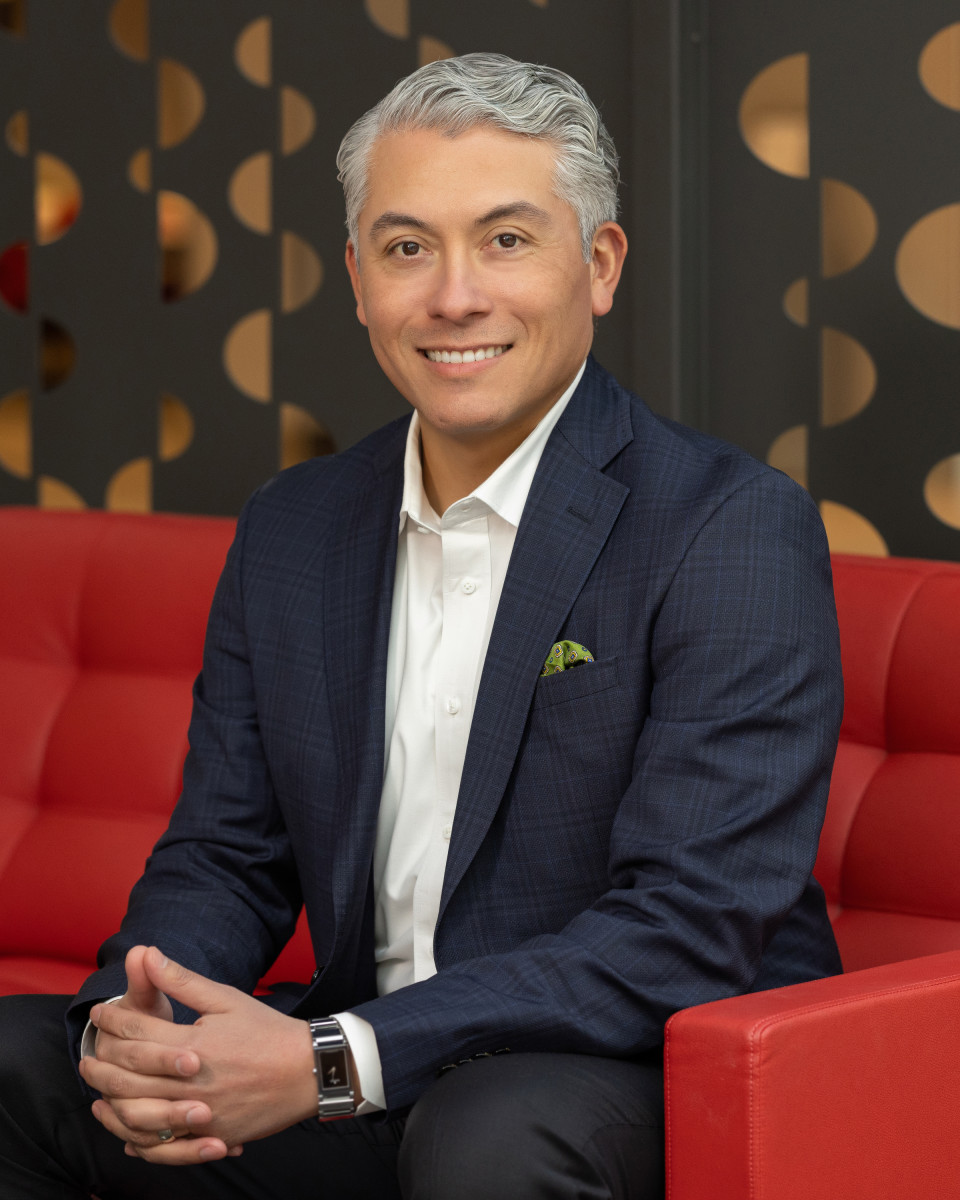
By Axel Del Cid, Vice President, California Customer Relations, State Farm General
Earlier this year, State Farm General made five commitments to customers affected by the Los Angeles wildfires. One was to help families rebuild stronger and better prepare for what comes next.
That commitment is personal to me. I grew up in Los Angeles. My family is here. Friends lost their homes, and my wife and I helped evacuate her mother when her home was threatened.
When I stepped into this role of California Customer Relations for State Farm General, I committed to listening closely to customers and the people helping Los Angeles recover. That work continues. And rebuilding stronger also requires us to look ahead: How can we help more homes and communities be better prepared before the next wildfire?
On October 26, I attended a controlled fire simulation in Panorama City hosted by the California Fire Chiefs Association and the Insurance Institute for Business & Home Safety, or IBHS.
What struck me most was the speed. The home that was not reinforced to withstand flames was fully engulfed within minutes. Right next door, a home with protections did not burn. That one had a Class A fire-resistant roof, ignition-resistant siding, double-pane windows and enclosed roof overhangs to help keep embers out. It also had a five-foot buffer directly around the foundation, where there were no plants or mulch, which fire safety experts call Zone 0.
Seeing those two homes side by side made the difference impossible to ignore.
This demonstration reinforced something important: rebuilding stronger is not only about what happens after a fire. It’s also about what we learn and what we do before the next one.
Turning Research into Action
IBHS research following the 2025 Los Angeles wildfires and these side-by-side demonstrations show why multiple layers of protection matter. And as State Farm Vice President Hillary Holcomb recently explained, they underscore why resilience needs to extend beyond individual properties.
The next challenge is making those improvements practical and attainable for more people – because research matters most when people can put it to use.
In September, State Farm General filed updated underwriting guidelines that would allow us to consider new homeowners insurance applications in California for properties with qualifying IBHS Wildfire Prepared Home designations. State Farm also offers wildfire mitigation discounts in California, including for qualifying community-level mitigation.
We are also supporting preparedness and stronger construction through organizations like the Federal Alliance for Safe Homes, Smart Home America and Wildfire Community Preparedness Day, while working with leaders across housing, insurance, finance and public policy on ways to expand resilience.
These efforts are different, but they are connected by the same idea: We know more today about how to help reduce wildfire risk. Now we have to make it easier for more homeowners and communities to act on that knowledge.
From recovery to resilience
For many Los Angeles families, recovery is far from over. Homes still need rebuilding and families deserve continued support. That remains central to the commitments State Farm General made earlier this year – and to my work in California.
But those commitments also require us to look ahead.
Wildfire resilience cannot rest on individual homeowners alone. Insurers, builders, lenders, policymakers, fire officials, researchers and communities all have a role in helping make stronger homes and neighborhoods more achievable.
To me, that is what rebuilding stronger means: helping California recover from the 2025 wildfires while working together to be better prepared for the next one.
For over 100 years, the mission of State Farm has been to help people manage the risks of everyday life, recover from the unexpected and realize their dreams. State Farm Mutual Automobile Insurance Company and its affiliates are the largest providers of auto and home insurance combined in the United States. Its more than 19,200 agent offices and over 62,000 employees serve over 96 million policies and accounts – including auto, fire, life, health, commercial policies and financial services accounts. Commercial auto insurance, along with coverage for renters, business owners, boats and motorcycles, is also available. State Farm Mutual Automobile Insurance Company is the parent of the State Farm family of companies. State Farm is ranked No. 32 on the 2025 Fortune 500 list of largest companies. For more information, please visit http://www.statefarm.com.